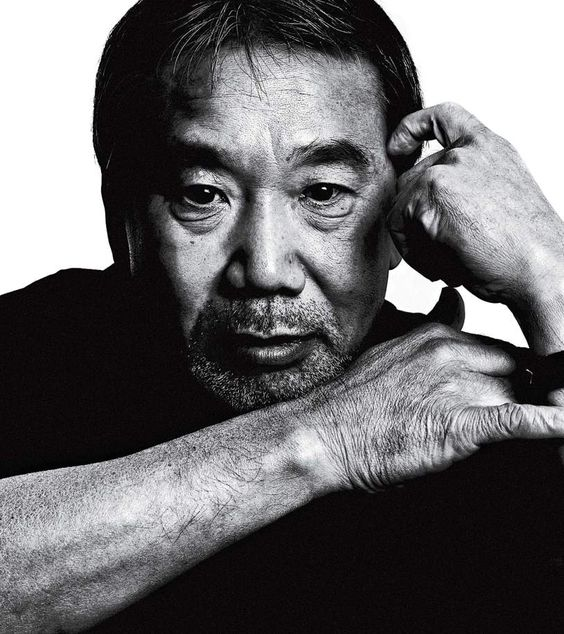
Paulo Coelho is one of the most widely read authors in the world, best known for The Alchemist, a novel that has inspired millions across cultures and languages. His work blends simplicity, spirituality, and philosophical insight, making his writing routine especially intriguing for writers who value both structure and intuition.
Unlike purely productivity-focused authors, Coelho’s routine reflects a balance between disciplined work habits and deep inner listening. Yet beneath the mystical reputation lies a surprisingly consistent professional practice.
Below is a structured look at the routine that supports his enduring creative output.
1. Writing as a Daily Commitment
Paulo Coelho strongly believes in the power of daily writing practice.
He has often emphasized that inspiration is important, but discipline creates results. Even during periods when he does not feel highly inspired, he maintains contact with his work through:
- regular writing sessions
- journaling
- note-taking
- reflective thinking
This steady engagement keeps creative pathways open and prevents long periods of creative rust.
Key takeaway
Inspiration may start the journey, but routine keeps it alive.
2. Morning Writing Preference
Coelho typically prefers writing during the morning hours, when the mind is quieter and more receptive.
His general rhythm often includes:
- early start to the day
- focused morning writing
- lighter tasks later in the day
- reflection and reading in the evening
Morning writing aligns well with his introspective style because it provides mental clarity and fewer external distractions.
Why this works
- improves concentration
- reduces interruptions
- supports reflective thinking
- builds consistent habit loops
For many writers, mornings offer the cleanest mental canvas.
3. Listening to Intuition During Drafting
One of Coelho’s most distinctive habits is his emphasis on intuitive flow while writing.
During drafting, he focuses on:
- allowing the story to unfold naturally
- trusting emotional signals
- avoiding excessive early analysis
- maintaining narrative momentum
While he does revise later, his first drafts often prioritize emotional truth over technical perfection.
Lesson for writers
Over-controlling the first draft can suffocate the story. Flow first. Refine later.
4. Simplicity as a Writing Goal
A defining feature of Coelho’s routine is his commitment to simple, accessible language.
During both drafting and revision, he works to:
- remove unnecessary complexity
- shorten sentences
- clarify philosophical ideas
- maintain readability across cultures
This simplicity is one of the key reasons The Alchemist achieved global appeal.
Practical takeaway
Clear writing often requires deliberate simplification during revision.
5. Reflection and Journaling as Creative Fuel
Coelho frequently uses journaling and personal reflection as part of his broader creative process.
These practices help him:
- process life experiences
- capture philosophical insights
- explore emotional themes
- generate story seeds
For writers working in reflective or personal genres, journaling can be a powerful idea incubator.
6. Maintaining a Spiritual and Mental Reset
Another unique aspect of Coelho’s routine is his attention to mental and spiritual alignment.
He has spoken about the importance of:
- quiet contemplation
- walking and observation
- stepping away when mentally blocked
- staying emotionally connected to the work
This holistic approach helps sustain creativity over long careers rather than short bursts.
7. Professional Discipline Behind the Mysticism
Despite his spiritual reputation, Coelho maintains strong professional habits.
His process includes:
- finishing manuscripts on schedule
- revising thoroughly
- working closely with editors
- maintaining consistent publishing output
This balance between intuition and professionalism is a major reason for his longevity as a global author.
Final Thoughts
Paulo Coelho’s writing routine demonstrates that creativity can thrive at the intersection of discipline and intuition.
His approach works because it blends:
- daily writing commitment
- morning focus
- intuitive drafting
- deliberate simplification
- reflective journaling
- sustainable pacing
For modern writers, especially those who feel torn between structure and creativity, Coelho offers an important reminder:
Build the habit. Trust the process. Then allow the story to breathe.