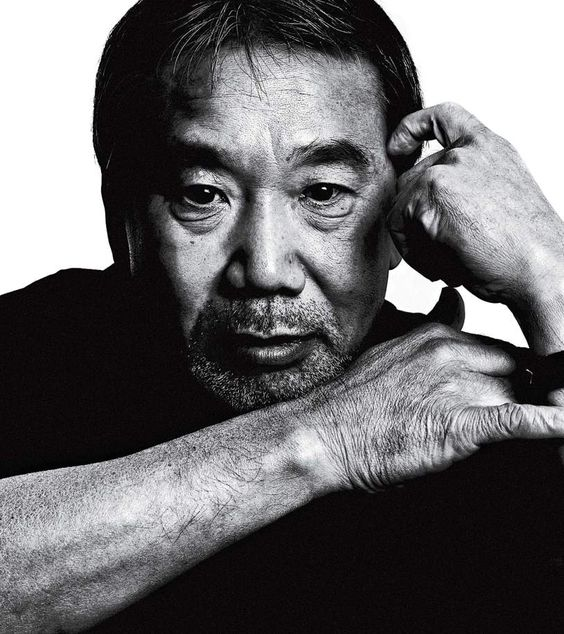
Brené Brown is a globally recognized researcher, storyteller, and bestselling author known for books like Daring Greatly, Braving the Wilderness, and Atlas of the Heart. Her work sits at the intersection of academic research and deeply human storytelling, making complex emotional topics accessible to millions of readers.
What makes Brown’s writing routine especially valuable is how she balances rigorous research with authentic voice. Her process is structured but deeply reflective, built on emotional clarity as much as intellectual discipline.
Below is a structured look at the routine that supports her impactful writing.
1. Research as the Foundation
For Brené Brown, writing begins long before drafting. Her background as a research professor shapes her entire workflow.
Before writing a book or major piece, she spends extensive time:
- conducting qualitative research
- reviewing data and transcripts
- identifying emotional patterns
- validating themes across studies
She has often said that her writing must be grounded in real evidence. This research-first approach ensures her work maintains credibility while remaining relatable.
Why this matters
- Builds trust with readers
- Strengthens authority
- Prevents surface-level insights
- Creates depth in storytelling
For content writers, this highlights the importance of original insight rather than recycled ideas.
2. The “Messy First Draft” Philosophy
Brené Brown openly embraces imperfect beginnings.
She encourages writers to produce what she calls “shitty first drafts” (a concept popularized in writing pedagogy) to overcome perfectionism. During early drafting, she focuses on:
- getting ideas out freely
- allowing emotional honesty
- avoiding premature editing
- maintaining forward momentum
This approach reduces creative pressure and makes it easier to tackle complex, vulnerable topics.
Key takeaway
Clarity comes through revision, not hesitation.
3. Writing in Focused, Protected Time Blocks
Despite her many responsibilities, Brown protects dedicated writing windows.
Her routine typically includes:
- scheduled writing sessions
- distraction-free environments
- clear session goals
- intentional deep work periods
Because her work is emotionally and intellectually demanding, she prioritizes quality focus over scattered multitasking.
Practical adaptation
Even if you have a full-time job, protected 60 to 90 minute deep-work sessions can significantly improve output.
4. Voice Development Through Authenticity
One of Brené Brown’s strongest writing principles is writing with emotional truth.
Her routine often includes reflective practices such as:
- journaling
- personal reflection
- revisiting research interviews
- testing tone for authenticity
She believes readers connect most deeply when the writer is both credible and human.
This is especially important in her work, which deals heavily with vulnerability, shame, courage, and leadership.
Lesson for writers
Do not just aim to sound smart. Aim to sound real.
5. Iterative Revision and Feedback Loops
Brown’s revision process is thorough and collaborative.
After initial drafts, she typically:
- revises for clarity
- simplifies complex language
- checks emotional resonance
- shares drafts with trusted readers
- incorporates editorial feedback
Because her work bridges academia and mainstream audiences, accessibility is a major revision priority.
Why this works
- Improves reader connection
- removes academic heaviness
- strengthens narrative flow
- ensures practical usefulness
6. Balancing Writing with Speaking and Research
Unlike authors who only write books, Brené Brown maintains multiple professional streams:
- academic research
- keynote speaking
- podcasting
- teaching
- writing
To manage this, she relies heavily on:
- structured planning
- clear project timelines
- disciplined prioritization
- seasonal focus periods
This is particularly relevant for modern creators who juggle full-time work alongside personal platforms.
7. Emotional Readiness as Part of the Process
A unique aspect of Brown’s routine is her attention to emotional capacity.
Because her topics involve vulnerability and human struggle, she has spoken about the need to:
- take breaks when emotionally saturated
- step back during heavy research phases
- maintain personal boundaries
- protect creative energy
This is an often-overlooked aspect of sustainable writing practice.
Final Thoughts
Brené Brown’s writing routine demonstrates that powerful writing is not just about productivity. It is about depth, honesty, and disciplined reflection.
Her system works because it combines:
- rigorous research
- emotional authenticity
- structured writing time
- thoughtful revision
- sustainable pacing
For content writers, educators, and thought leaders, her approach offers a valuable blueprint.
The core lesson is simple. Write bravely, revise thoughtfully, and always ground your words in real insight.