Margaret Atwood is one of the most respected and influential writers in contemporary literature. Over the course of her long career, she has produced numerous novels, essays, poems, and short stories that explore themes such as power, gender, history, and society.
Many readers know her for widely celebrated books like The Handmaid’s Tale, The Blind Assassin, and Cat’s Eye. These works have earned her international recognition and a devoted readership.
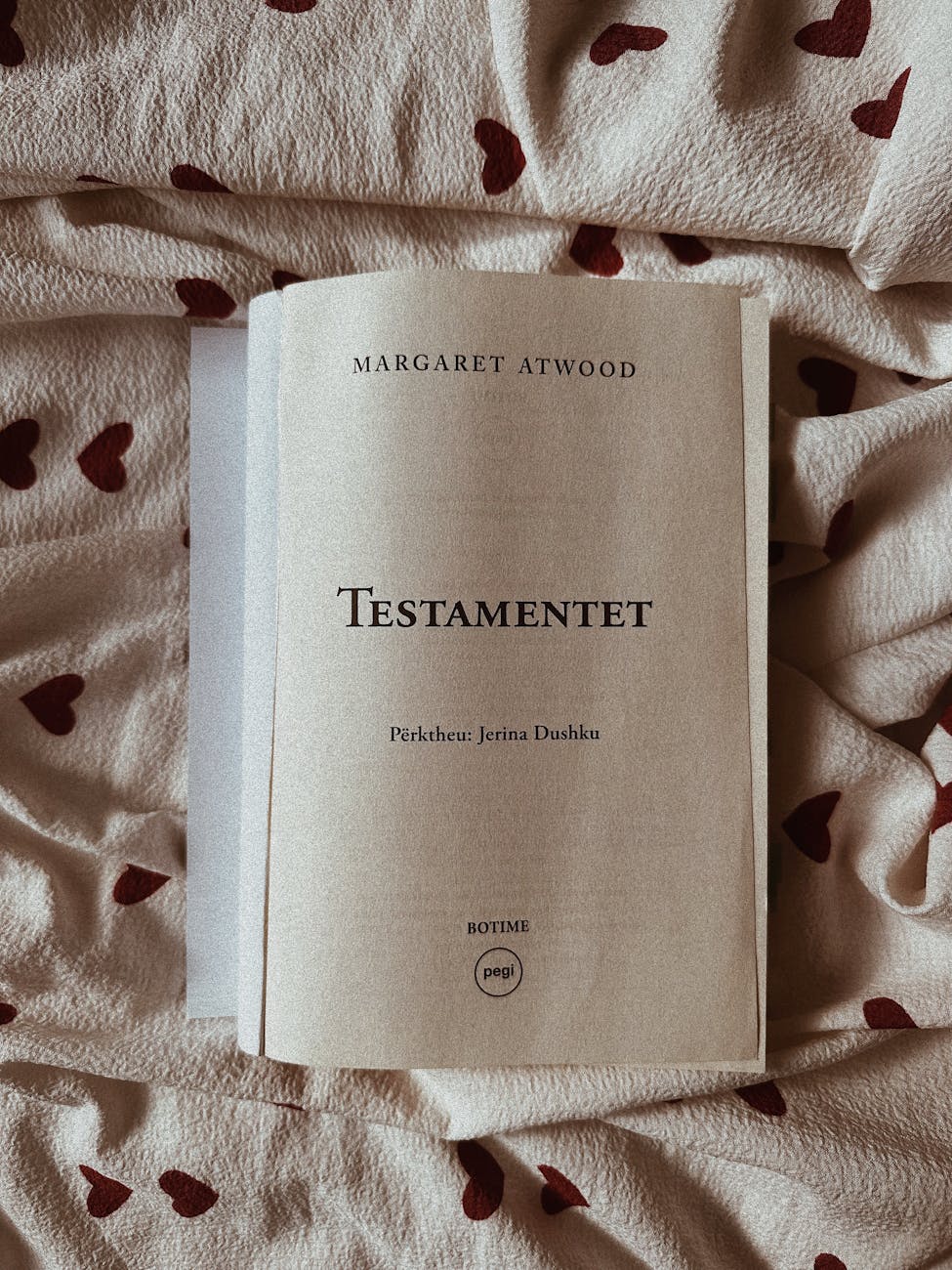
While her storytelling and imagination are widely admired, another fascinating aspect of Atwood’s career is her approach to writing itself. Behind every successful book lies a routine that supports creativity and productivity.
Unlike some writers who follow rigid daily schedules, Atwood’s writing habits are built around flexibility, discipline, and persistence. Her approach shows that creativity can thrive in different structures as long as writing remains a regular part of daily life.
Here’s a closer look at how she approaches her writing routine.
Margaret Atwood: Daily Schedule
One of the most interesting things about Atwood’s writing routine is that she doesn’t follow a strict daily schedule.
Many writers wake up at the same hour every day or set fixed blocks of writing time. Atwood, however, takes a more flexible approach. She writes whenever she finds the opportunity to focus and make progress.
This doesn’t mean she writes randomly or without discipline. Instead, it means she adapts her writing schedule to fit the demands of her life, travel, and professional commitments.
This flexibility has allowed her to remain productive across decades of writing.
For many aspiring writers, this idea can be reassuring. Not everyone can wake up at 4 a.m. or dedicate several uninterrupted hours each morning to writing. Margaret Atwood’s approach shows that success can also come from working consistently whenever time allows.
What matters most is continuing to return to the page.
Writing Environment
Another interesting aspect of Atwood’s routine is her ability to write in different environments.
She doesn’t rely on a single workspace or writing studio. Instead, she writes wherever she can find a quiet place to focus. This could be at home, while traveling, or even in temporary workspaces during speaking tours and literary events.
The key factor is not the location itself but the ability to concentrate.
A calm environment allows her to think clearly and develop her ideas without interruption. For a writer who frequently travels and participates in public events, the ability to adapt to different environments becomes essential.
This adaptability is an important lesson for writers. While having a dedicated workspace can be helpful, the ability to write anywhere can make creative work more sustainable.
Writing Process
Margaret Atwood’s writing process often begins with writing by hand.
She has mentioned that she sometimes drafts her work on paper before transferring it to a computer. This method allows her to interact with the writing in different ways.
Writing by hand can slow down the process slightly, which encourages deeper thinking about each sentence. When the text is later typed into a computer, the writer has another opportunity to revise and refine the material.
This two step process can naturally lead to editing and improvement.
Many writers find that switching between handwritten drafts and digital editing helps them see their work more clearly. It creates a small distance between the original draft and the revised version.
For Atwood, this method appears to support both creativity and careful revision.
Breaks and Rest
Although detailed information about Margaret Atwood’s break routine is not widely documented, she clearly values balance in daily life.
Creative work requires mental energy, and continuous writing without rest can lead to fatigue. Taking breaks allows the mind to relax and return to the work with fresh perspective.
During these breaks, she may read, spend time outdoors, or simply step away from the writing process.
Reading, in particular, can be a powerful way for writers to recharge. Exposure to new ideas, styles, and perspectives can stimulate creativity and inspire new directions in one’s own work.
Spending time in nature can also provide mental clarity and inspiration.
These activities help maintain the energy needed for long term creative work.
Goal Setting
Another key element of Margaret Atwood’s writing approach is setting realistic goals.
She believes that writers should focus on making steady progress rather than demanding perfection from themselves immediately. Writing a novel or a complex piece of nonfiction takes time, and expecting flawless work from the first draft can create unnecessary pressure.
Instead, she encourages writers to be patient with themselves.
This philosophy allows creativity to develop gradually. By focusing on small daily achievements, writers can slowly build larger projects without becoming overwhelmed.
Atwood’s emphasis on kindness toward oneself is an important reminder that creative work is often unpredictable. Some days may be more productive than others, and that is perfectly normal.
Challenges and Writer’s Block
Even highly successful authors experience moments when writing becomes difficult.
Writer’s block is a challenge that many writers encounter during their careers. It can appear when ideas feel unclear, when the pressure of expectations becomes overwhelming, or when a project grows complicated.
Atwood’s advice for dealing with writer’s block is surprisingly straightforward.
Keep writing.
Instead of waiting for inspiration to return, she suggests continuing to write even when the words feel imperfect. Often, the act of writing itself can break through creative barriers.
Perfection is rarely necessary during the early stages of a draft. The important thing is to keep moving forward and maintain the habit of writing regularly.
This approach helps prevent creative paralysis and encourages steady progress.
Inspiration and Motivation
One of the reasons Margaret Atwood’s writing feels so powerful is the wide range of influences that inspire her work.
She often draws ideas from nature, history, and social issues. These subjects provide rich material for storytelling and allow her to explore complex themes through fiction.
Many of her novels examine how societies function, how power operates, and how individuals navigate changing cultural landscapes.
Nature also plays an important role in her thinking and creativity. Observing the natural world can inspire imagery, themes, and reflections that later appear in her writing.
History, too, provides valuable context for understanding the present. By studying historical events and patterns, writers can uncover stories that resonate with modern readers.
These sources of inspiration help keep Atwood deeply engaged with her creative work.
Lessons From Margaret Atwood’s Writing Routine
Studying the habits of experienced writers often reveals that there is no single formula for creativity.
Some writers rely on strict schedules, while others prefer a more flexible approach. Margaret Atwood’s routine demonstrates that adaptability can be just as powerful as structure.
Several key lessons emerge from her approach:
- Writing doesn’t always require a rigid schedule.
- A quiet environment helps maintain focus.
- Drafting by hand can deepen engagement with the text.
- Taking breaks supports long term creativity.
- Realistic goals help maintain steady progress.
- Continuing to write can overcome creative blocks.
- Inspiration can come from nature, history, and everyday life.
These principles show that successful writing routines often balance discipline with flexibility.
Margaret Atwood’s career is a powerful example of how consistent effort, thoughtful revision, and curiosity about the world can produce meaningful literature.
Her approach reminds us that creativity is not only about inspiration. It is also about returning to the page again and again, allowing ideas to grow and evolve over time.
For writers seeking to build sustainable habits, her routine offers a practical and encouraging perspective on the writing life.