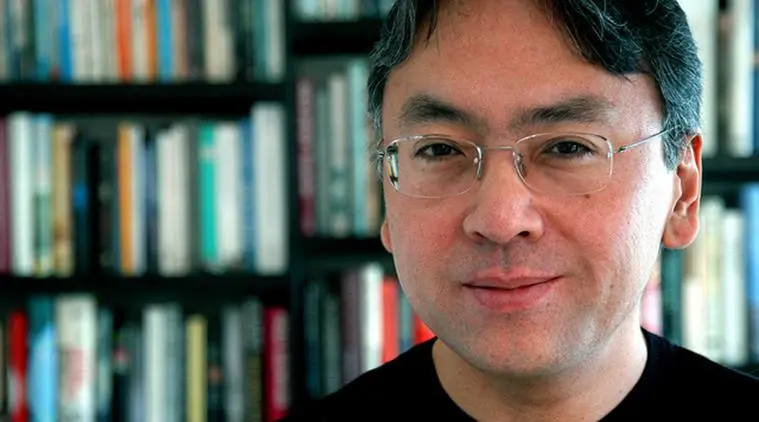
Kazuo Ishiguro, known for his thoughtful and deeply engaging novels like Never Let Me Go and Klara and the Sun, has a unique approach to his writing routine.
This article explores the key aspects of his daily habits that contribute to his success as a writer.
Daily Schedule
Kazuo Ishiguro is known for his intense writing periods, especially during the drafting phase of a novel.
He often dedicates several weeks to writing without distractions, known as “Crash Periods,” where he writes from morning until night.
Writing Environment
Ishiguro prefers a quiet and undisturbed environment for his writing. He often works in a dedicated room at home, ensuring minimal distractions to maintain his focus.
Writing Process
During his “Crash Periods,” Ishiguro writes intensively, aiming to immerse himself completely in the world of his novel.
This method helps him maintain continuity and depth in his storytelling.
Breaks and Rest
While he works intensely during his writing phases, Ishiguro also understands the importance of rest. He takes breaks as needed to recharge, though details about his specific break activities are not widely documented.
Goal Setting
Ishiguro sets specific goals during his intense writing periods. He aims to produce a certain amount of work each day, which helps him stay on track and make significant progress on his novels.
Challenges and Solutions
Ishiguro faces challenges like any writer, but he overcomes them by dedicating focused time to his craft.
His “Crash Periods” are a way to push through blocks and ensure continuous progress.
Post-Writing Routine
After his intense writing periods, Ishiguro takes time to review and reflect on his work. This phase involves careful editing and revising to polish his manuscripts.
Adaptability
Ishiguro’s routine is adaptable in that he balances periods of intense writing with times of rest and reflection.
This flexibility allows him to maintain productivity without burnout.
Inspiration and Motivation
Ishiguro draws inspiration from various sources, including personal experiences and historical events.
His deep engagement with his material keeps him motivated throughout his writing process.