A strong headline does more than just give information—it captures attention, piques interest, and encourages readers to click.
So, what makes a headline truly engaging?
The key is understanding how our brains process and react to information.
This article explores research-based techniques for creating headlines that connect with readers on a deeper level, providing writers with effective strategies to increase engagement and make a bigger impact.
Headline Writing: The Background
A headline is more than just a collection of words; it’s a promise to the reader. Effective headlines are crucial for grabbing attention, boosting click-through rates, and encouraging content sharing.
But writing a successful headline isn’t just creative—it’s based on science, specifically psychology. Concepts like cognitive bias, attention-catching strategies, and emotional triggers all play a role in how readers respond to headlines.
Studies show that first impressions matter, which is why writers are turning to psychology to improve their headline-writing abilities.
Psychological Concepts and Strategies
The human brain is naturally attracted to new, urgent, and relevant information—qualities that can make headlines stand out.
Studies show that certain words or phrases (like “How to,†“Why,†or “Top 10â€) are especially good at grabbing attention. These phrases cater to our need for quick answers, sparking a desire for knowledge or solutions.
Another psychological trigger that influences headline success is the Fear of Missing Out (FOMO). Headlines that create a sense of urgency or suggest exclusive, time-sensitive information often see higher click-through rates.
These attention-grabbing techniques are particularly effective in online spaces, where competition for the reader’s focus is fierce.
1. Emotional Triggers in Headlines
Emotional appeal is a powerful way to connect with readers. Research shows that people are more likely to remember information that evokes an emotional response, and this applies to headlines as well.
Various emotions—curiosity, surprise, fear, happiness—can create compelling, memorable headlines that leave a lasting impact on readers.
For example, curiosity-driven headlines encourage readers to discover something intriguing or unexpected (e.g., “You Won’t Believe What This Study Foundâ€).
Positive emotions, like happiness or inspiration, can also motivate clicks and shares.
On the other hand, a sense of urgency or a slight fear of missing out can increase engagement by creating pressure to take action.
2. Cognitive Bias and Headlines
Cognitive biases, which are mental shortcuts our brains use to process information, play a key role in how readers react to headlines.
One example is the “curiosity gap,†where a headline suggests valuable information or insight that readers want but don’t yet have.
This creates a sense of intrigue, encouraging readers to click to satisfy their curiosity.
Another example is confirmation bias, where people are naturally drawn to information that supports their existing beliefs. Headlines that reinforce popular opinions or commonly held views tend to perform well because readers are subconsciously looking for content that aligns with their viewpoints.
Types of Headlines and When to Use Them
1. Question Headlines
Question headlines capture attention by presenting a problem, mystery, or challenge that readers feel compelled to solve. For example, a headline like “What Makes a Headline Truly Compelling?†sparks curiosity and invites readers to seek the answer.
These types of headlines are especially effective when writers want to encourage readers to think more deeply or reflect on a topic.
2. List Headlines
List-based headlines, like “Top 5 Tips†or “10 Ways to Boost Engagement,†are popular because they set clear expectations for the reader.
Research shows that listicles are some of the most shareable content types. These headlines appeal to our need for easily digestible information and offer a sense of structure, which busy readers find appealing.
By breaking content down into numbered points, list headlines make it easier for readers to skim and understand the key takeaways, increasing the likelihood they’ll engage and share the content.
3. How-to Headlines
“How-to†headlines are great for providing value-driven content. A headline like “How to Write Headlines That Get Clicks†offers readers actionable advice and practical knowledge.
This type of headline is especially effective for educational or instructional content, as it appeals to readers’ desire for clear guidance and step-by-step instructions.
4. Command Headlines
Command headlines, like “Start Writing Headlines Like a Pro,†take a direct, action-oriented approach by instructing the reader to do something. This format appeals to readers’ desire for expert guidance and a clear, confident path forward.
Command headlines work well for motivational or instructional content, as they convey authority and provide a sense of direction, encouraging readers to take immediate action.
What Are Experts’ Take On Headline Creation?
According to Dr. Jonah Berger, a marketing professor at the University of Pennsylvania and author of Contagious, headlines are more effective when they tap into readers’ emotions and natural curiosity.
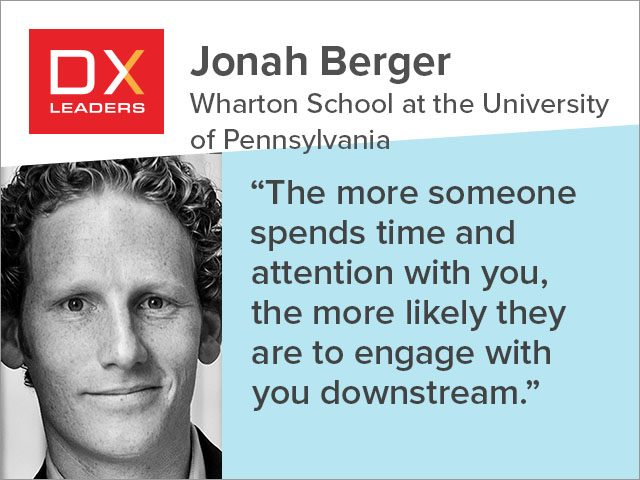
Dr. Berger argues that using specific, emotion-triggering words or surprising facts can greatly increase a headline’s impact, as these elements engage the reader’s cognitive processes and emotional reactions.
10 Practical Tips for Writing Effective Headlines
- Use power words that elicit strong emotions.
- Keep headlines concise but impactful.
- Incorporate numbers to create skimmable, list-style articles.
- Test headlines using A/B testing to determine what resonates.
- Use active voice to add immediacy and clarity.
- Avoid clickbait—ensure your headline honestly reflects the content.
- Be specific to create clearer, more targeted headlines.
- Capitalize on trends or timely content to boost relevance.
- Focus on benefits (e.g., “Boost Your Engagement†instead of “Social Media Tipsâ€).
- Prioritize clarity over cleverness to ensure readability.
Parting Words
Compelling headlines are driven as much by psychology as by writing skill.
By understanding the principles of attention, emotional appeal, and cognitive biases, writers can craft headlines that not only capture readers’ attention but also hold it.
These strategies, grounded in psychological research, can help writers enhance their impact, increase engagement, and connect with their audience more effectively.
Now, take these strategies and start experimenting with your own headlines. Whether your goal is to boost engagement, build a loyal following, or simply connect with readers, these tips will help you create headlines that leave a lasting impression.
For more writing insights and expert advice, consider subscribing to our newsletter, where we explore the latest research and trends in content creation.