Interactive content refers to content that actively involves the user, encouraging them to engage rather than just read or watch.
As digital marketing and user-centric platforms grow, creators are increasingly using features like quizzes, calculators, and tools to boost user experience and drive higher conversions.
A study by the Content Marketing Institute found that interactive content generates twice as much engagement as traditional, passive content.
This article explores how tools like quizzes and calculators can help content writers craft more engaging and effective material.
1. The Power of Quizzes in Content
Quizzes are a widely favored type of interactive content because they provide a fun and engaging experience for users. By designing quizzes relevant to your niche, you can attract your audience’s attention while offering a more personalized experience.

Source: Buzzfeed
In this example, you can see that the author has pulled in audience attention using a simple quiz that urges people to choose between ‘Yay’ or ‘Nay’ to reveal their personality.
This makes the reader stop by interact with the content, right on the topic they’d like to read.
This approach not only boosts engagement but also collects useful data to guide future content or product development.
Additionally, quizzes are highly shareable on social media, helping to expand your brand’s visibility and reach.
A well-designed quiz can:
- Provide personalized results to enhance user experience
- Be a tool for data collection to understand customer preferences
- Foster viral sharing, increasing brand exposure
2. Calculators as Tools for User Engagement
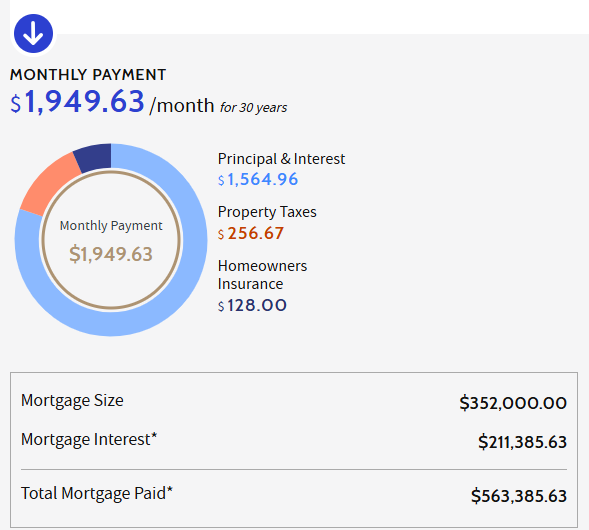
Calculators are a great type of interactive tool that engage users by letting them enter their own data and get quick, personalized results. For example, a mortgage calculator on a real estate website can help homebuyers estimate their monthly payments based on their finances. These tools not only attract users but also help establish your brand as a valuable resource in their decision-making process.

Source: Investopedia
The above image you see is from an article in Investopedia on “What Is a Mortgage? Types, How They Work, and Examples”.
This incorporation of the calculator gives readers not only information on how the mortrage is calculated, but a real-time experience of how exactly it’s done.
This is a very important reason why you can consider using a calculator in your content, if they are relevant.
Some examples include:
- Loan or mortgage calculators
- BMI calculators for health and wellness sites
- Tax or investment calculators for financial blogs
3. Tools that Simplify Complex Information
Complex topics become easier to grasp when divided into smaller, simpler parts, and interactive tools are key to this process.
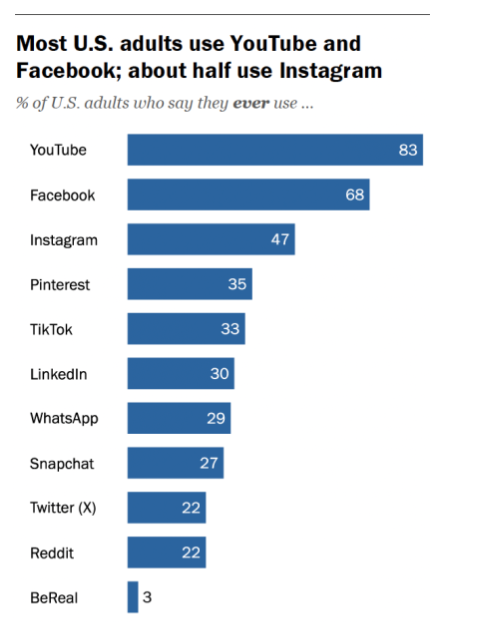
Tools such as infographics, interactive maps, and data visualization help turn complex information into engaging and easy-to-understand content.
Source: Pewresearch
The above image is from an article on ” ” by Pewresearch. Although the article has over 1107 words, the 4 infographics effortlessly give out all the information that’s covered in words.
People can simply skim through the images, rather than spending hours in consuming complex information as words.
In your content, you can include:
- Interactive timelines to explain historical events or processes
- ROI calculators for businesses assessing investment decisions
- Product comparison tools for ecommerce sites
What Content Experts Are Saying?
“Interactive content is all about enhancing user experience and providing value. It’s not just about creating fun quizzes or tools—it’s about giving your audience something that they can’t find elsewhere.” – Jane Smith, Content Strategist
Tips for Integrating Interactive Content into Your Writing:
- Keep it Relevant: Ensure that your quizzes or calculators are directly related to your content topic and audience needs.
- User-Centric Design: Design your interactive elements to be intuitive and easy to use for the best engagement.
- Personalization: Allow users to input data to receive personalized feedback, making the content feel more tailored and relevant.
- Promote Sharing: Make it easy for users to share results from quizzes or tools on social media platforms.
- Mobile Optimization: Ensure that all interactive content is optimized for mobile devices to reach a wider audience.
- Clear Call to Action: Always include a clear CTA after interactive content to guide users toward the next step.
- Track Results: Use analytics to monitor how users interact with your quizzes and tools, and refine your content based on these insights.
- Keep it Simple: While interactive elements should add value, they should not overwhelm the user with complexity.
- Use Gamification: Add elements like scoring, levels, or rewards to make quizzes and tools more engaging.
- Test & Improve: Regularly test your interactive content and seek user feedback to make improvements over time.
In a nutshell
Incorporating interactive content such as quizzes, calculators, and tools is an effective way to make your content stand out in a crowded digital world. These features not only boost user engagement but also build trust with your audience by offering them valuable experiences.
As a content writer, using interactive formats allows you to create more engaging and personalized content for your readers.
Start using these tools today and see how they can elevate your content strategy for greater success.